In today’s fast-paced digital world, businesses are constantly searching for smarter ways to manage their operations efficiently. One of the most powerful tools that has transformed how companies operate is ERP (Enterprise Resource Planning) software. ERP software solutions integrate different business processes into a single system, helping organizations streamline operations, reduce costs, and improve productivity.
What is ERP Software?
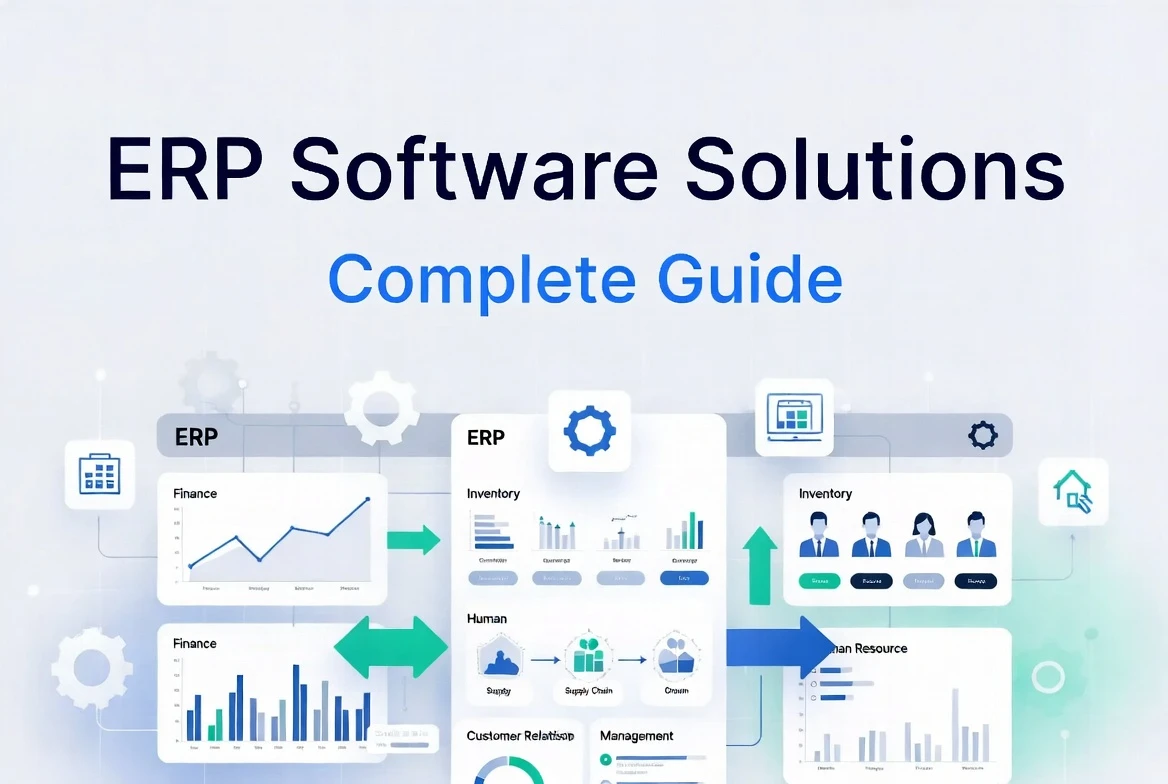
ERP (Enterprise Resource Planning) software is a centralized system that allows businesses to manage core processes such as finance, human resources, supply chain, inventory, sales, and customer relationships. Instead of using separate tools for each function, ERP brings everything together in one unified platform.
This integration ensures that data flows seamlessly between departments, eliminating duplication and reducing errors. For example, when a sale is made, the system automatically updates inventory levels, financial records, and customer data in real-time.
Why ERP Software is Important
ERP software has become essential for businesses of all sizes, from small startups to large enterprises. The main reason is that it improves efficiency and provides better visibility into business operations.
Here are some key benefits:
1. Improved Efficiency
ERP automates routine tasks such as data entry, reporting, and inventory tracking. This saves time and allows employees to focus on more important activities.
2. Better Decision Making
With real-time data and advanced reporting tools, managers can make informed decisions quickly. Accurate insights help businesses respond to market changes effectively.
3. Cost Reduction
By reducing manual work and minimizing errors, ERP systems help cut operational costs. They also optimize resource usage, which leads to better financial management.
4. Enhanced Collaboration
Since all departments use the same system, communication improves across the organization. Teams can access updated information anytime, leading to better coordination.
5. Scalability
ERP systems are flexible and can grow with your business. As your company expands, you can add more features and users without changing the entire system.
Key Features of ERP Software
Modern ERP solutions come with a wide range of features designed to support various business needs. Some of the most important features include:
Financial Management
This module handles accounting, budgeting, financial reporting, and tax management. It ensures accuracy and compliance with financial regulations.
Human Resource Management (HRM)
ERP systems manage employee records, payroll, attendance, recruitment, and performance evaluation. This simplifies HR processes and improves workforce management.
Inventory and Supply Chain Management
Businesses can track inventory levels, manage suppliers, and monitor the movement of goods. This helps avoid overstocking or stock shortages.
Customer Relationship Management (CRM)
ERP software helps manage customer data, sales pipelines, and communication. It improves customer satisfaction and boosts sales performance.
Reporting and Analytics
Advanced reporting tools provide insights into business performance. Companies can generate reports and analyze trends to improve strategies.
Types of ERP Software Solutions
ERP solutions come in different types depending on business needs:
On-Premise ERP
This type is installed on the company’s own servers. It offers more control but requires higher upfront costs and maintenance.
Cloud-Based ERP
Cloud ERP is hosted online and accessed through the internet. It is cost-effective, easy to implement, and suitable for small and medium businesses.
Hybrid ERP
This combines both on-premise and cloud solutions, offering flexibility and customization.
Choosing the Right ERP Solution
Selecting the right ERP software is a critical decision. Here are some factors to consider:
- Business Needs: Identify your requirements and choose software that fits your operations.
- Budget: Consider both initial and ongoing costs.
- Ease of Use: The system should be user-friendly and easy to learn.
- Customization: Ensure the ERP can be tailored to your business processes.
- Support and Training: Look for vendors that offer good customer support and training.
Challenges in ERP Implementation
While ERP systems offer many benefits, implementing them can be challenging:
- High Initial Cost: Some ERP solutions require significant investment.
- Complex Implementation: Setting up the system can take time and effort.
- Employee Resistance: Staff may resist change, especially if they are used to old systems.
- Data Migration Issues: Transferring data from old systems can be difficult.
However, with proper planning and training, these challenges can be overcome.
Future of ERP Software
The future of ERP is evolving rapidly with new technologies. Artificial Intelligence (AI), Machine Learning, and automation are making ERP systems smarter and more efficient. Businesses can now predict trends, automate decision-making, and improve customer experiences.
Cloud-based ERP solutions are also becoming more popular due to their flexibility and affordability. Mobile access is another growing trend, allowing users to manage business operations from anywhere.
Conclusion
ERP software solutions have become a backbone for modern businesses. They provide a centralized system to manage operations efficiently, improve productivity, and support growth. Whether you are running a small business or a large enterprise, implementing the right ERP system can give you a competitive advantage.
By understanding your business needs and choosing the right solution, you can unlock the full potential of ERP software and take your business to the next level.