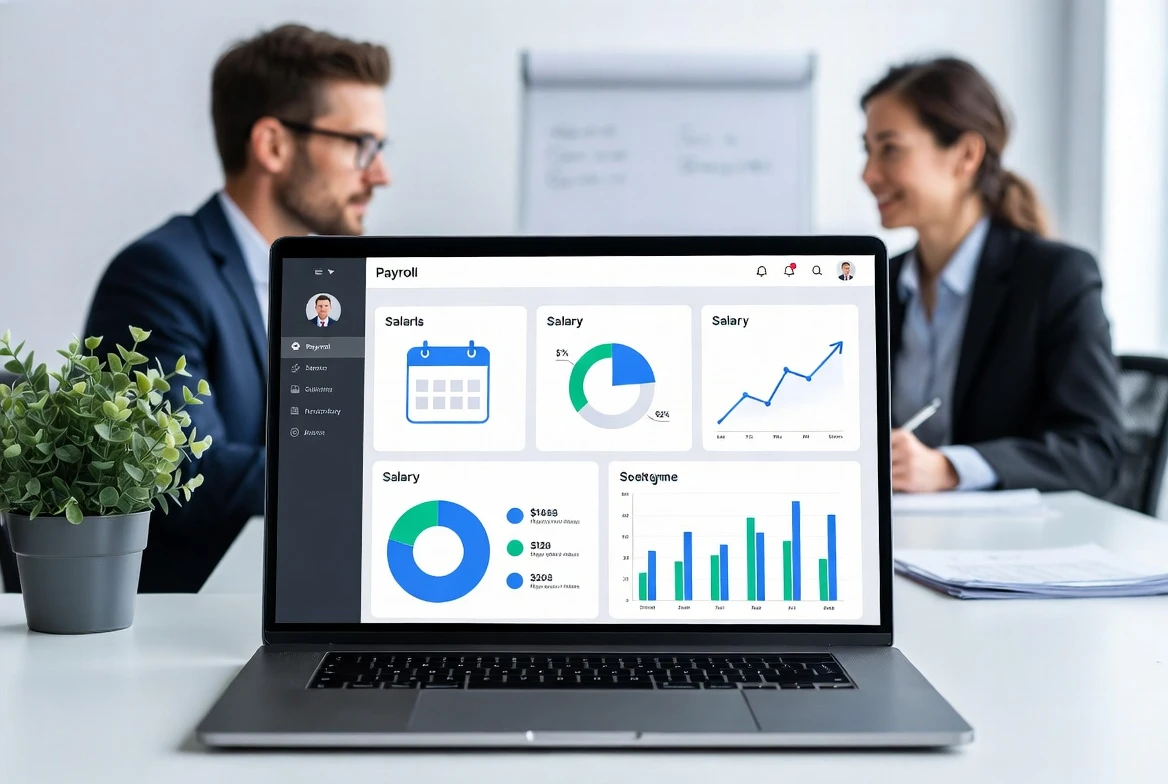
In today’s fast-paced business environment, managing employee salaries, taxes, and compliance manually is no longer practical. Payroll processing is one of the most sensitive and complex aspects of running a business, and even small errors can lead to financial penalties or employee dissatisfaction. This is where payroll software becomes an essential tool for businesses of all sizes.
Payroll software automates the process of calculating salaries, deductions, bonuses, and taxes, ensuring accuracy and saving valuable time. In this article, we will explore what payroll software is, its benefits, key features, and why investing in it can significantly improve your business operations.
What is Payroll Software?
Payroll software is a digital solution designed to manage, organize, and automate employee payment processes. It calculates wages, tracks working hours, manages tax deductions, and generates payslips—all in one system. Instead of relying on spreadsheets or manual calculations, businesses can use payroll software to streamline operations and minimize errors.
Whether you run a small startup or a large enterprise, payroll software ensures that employees are paid accurately and on time, while also helping you stay compliant with tax regulations.
Why Payroll Software is Important for Businesses
Managing payroll manually can be time-consuming and prone to mistakes. As your business grows, the complexity of payroll increases, making it harder to manage without automation. Payroll software simplifies this process and provides several important advantages:
1. Accuracy and Error Reduction
Manual payroll calculations often lead to errors in salaries, tax deductions, or overtime calculations. Payroll software eliminates these issues by automating calculations based on predefined rules.
2. Time-Saving
Processing payroll manually can take hours or even days, especially for businesses with many employees. Payroll software completes the process in minutes, freeing up time for more strategic tasks.
3. Compliance with Laws
Tax laws and labor regulations frequently change. Payroll software is updated regularly to comply with the latest rules, helping businesses avoid penalties and legal issues.
4. Data Security
Employee salary information is highly sensitive. Payroll software provides secure storage, protecting data from unauthorized access and cyber threats.
5. Employee Satisfaction
Timely and accurate salary payments improve employee trust and satisfaction. Payroll software ensures that employees receive correct payslips without delays.
Key Features of Payroll Software
When choosing payroll software, it’s important to look for features that meet your business needs. Here are some essential features:
1. Automated Salary Calculations
The software calculates employee wages, overtime, bonuses, and deductions automatically, reducing manual work.
2. Tax Management
It handles tax calculations, deductions, and filing, ensuring compliance with local tax regulations.
3. Payslip Generation
Payroll software generates professional payslips that can be shared digitally with employees.
4. Attendance Integration
Many payroll systems integrate with attendance and time-tracking tools to calculate working hours accurately.
5. Direct Deposit
Employees can receive salaries directly in their bank accounts, making the payment process faster and more convenient.
6. Reporting and Analytics
Payroll software provides detailed reports on salary expenses, tax liabilities, and employee compensation trends.
7. Employee Self-Service Portal
Employees can access their payslips, tax documents, and personal information without contacting HR.
Benefits of Using Payroll Software
Investing in payroll software offers long-term benefits that go beyond just automation:
Increased Productivity
By automating repetitive tasks, HR teams can focus on strategic activities like employee engagement and performance management.
Cost Efficiency
Although payroll software requires an initial investment, it reduces administrative costs and prevents costly errors.
Scalability
As your business grows, payroll software can easily handle an increasing number of employees without additional workload.
Better Record Keeping
Payroll software maintains organized records, making audits and financial planning much easier.
Improved Transparency
Employees can clearly see their salary breakdown, deductions, and benefits, promoting transparency within the organization.
Types of Payroll Software
Businesses can choose from different types of payroll solutions depending on their needs:
1. Cloud-Based Payroll Software
This type of software is hosted online and can be accessed from anywhere. It is ideal for businesses that prefer flexibility and remote access.
2. On-Premise Payroll Software
Installed on company servers, this option provides more control over data but requires maintenance and IT support.
3. Outsourced Payroll Services
Some businesses choose to outsource payroll entirely to third-party providers, reducing internal workload.
How to Choose the Right Payroll Software
Selecting the right payroll software is crucial for maximizing its benefits. Here are some factors to consider:
- Business Size: Choose software that fits your company’s scale.
- Ease of Use: The system should be user-friendly and easy to learn.
- Customization: Look for software that can adapt to your specific payroll policies.
- Integration: Ensure it integrates with accounting and HR systems.
- Customer Support: Reliable support is essential in case of issues.
- Pricing: Compare pricing plans and choose one that offers value for money.
Challenges Without Payroll Software
Businesses that rely on manual payroll processes often face several challenges:
- Frequent calculation errors
- Delayed salary payments
- Difficulty in tax compliance
- Poor record management
- Increased administrative burden
These issues can negatively impact both business operations and employee satisfaction.
Future of Payroll Software
With advancements in technology, payroll software is becoming more intelligent and efficient. Features like artificial intelligence, automation, and real-time analytics are transforming payroll management. In the future, businesses can expect even more advanced tools that provide predictive insights and seamless integration with other systems.
Conclusion
Payroll software is no longer a luxury—it is a necessity for modern businesses. It simplifies complex payroll processes, reduces errors, ensures compliance, and saves valuable time. By investing in the right payroll solution, businesses can improve efficiency, enhance employee satisfaction, and focus on growth.
If you want to stay competitive in today’s business landscape, adopting payroll software is one of the smartest decisions you can make. It not only streamlines operations but also provides a strong foundation for managing your workforce effectively.